Buy sexyelders.eu ?
We are moving the project
sexyelders.eu .
Are you interested in purchasing the domain
sexyelders.eu ?
domain@kv-gmbh.de · 0541-91531010
Buy sexyelders.eu ?
How is the partitive formed?
The partitive is formed in French by using the preposition "de" followed by the definite article "le," "la," or "les." This combination contracts to form "du," "de la," or "des" before a singular or plural noun, respectively. For example, "some bread" is "du pain" and "some apples" is "des pommes." The partitive is used to indicate an unspecified quantity or portion of a mass noun. **
What is the French partitive article?
The French partitive article is used to indicate an unspecified quantity of a noun that cannot be counted. It is formed by combining the preposition "de" with the definite article corresponding to the noun's gender and number. For example, "du" is used with masculine singular nouns, "de la" with feminine singular nouns, and "des" with plural nouns. The partitive article is used in French to express concepts like some, any, or a part of something. **

Similar search terms for Partitive
Top-Angebote
Products related to Partitive:
-
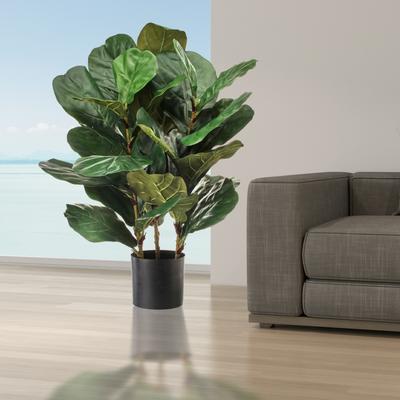
Regency International "Potted Triple Mature Fiddle Leaf Plant 32""""This 32"" potted triple Fiddle leaf plant will add a bright spot to any room. The color will never fade, it's clean, easy to maintain and will last forever. It will change the color and feel of a room and make a beautiful and lasting gift."139,99 $*Shipping: 0,00 $Secure redirect to the provider
-
Attractive Office Desk,Computer Desk,Spacious Executive DeskSturdy Construction - Masterfully designed with solid wood, this desk features robust legs for stability on any surface, ensuring an ideal blend of design and durability for daily tasks.567,49 $*Shipping: 0,00 $Secure redirect to the provider
-
Counterart Absorbent Stone Coasters - Mature & Fabulous - Set of 4 - 4x4x1.094Absorbent stone coaster with decorative print. Durable stoneware construction allows for continuous absorption of condensation. Made in the USA. Cork backing protects tabletops. Set of 4.22,69 $*Shipping: 0,00 $Secure redirect to the provider
-
Saro Lifestyle Sophisticated Jacquard Flower TableclothBring a touch of elegance to your dining room with this Jacquard Floral Tablecloth! Featuring a beautiful floral pattern woven into high-quality fabric, this luxurious tablecloth is perfect for special occasions or everyday use.37,99 $*Shipping: 0,00 $Secure redirect to the provider


-
What are partitive articles in the French language?
Partitive articles in French are used to indicate an unspecified quantity of a noun. They are used when referring to a portion or some of a mass noun, such as food or liquid. The partitive articles in French are "du" (for masculine nouns), "de la" (for feminine nouns), and "de l'" (for nouns starting with a vowel or silent "h"). These articles are essential for expressing the concept of some or any in French. **
-
What is the rule for the partitive article?
The rule for the partitive article in French is to use "de" followed by the definite article (le, la, les) to indicate an unspecified quantity or some of a mass noun. For example, "du" is used for masculine singular nouns, "de la" for feminine singular nouns, and "des" for plural nouns. The partitive article is used when referring to an unknown or unspecified quantity of something. **
-
How do you form the genitive partitive in Latin?
In Latin, the genitive partitive is formed by using the genitive case of the noun followed by the word "partis" or "partis" (depending on the gender of the noun) to indicate a part of the whole. For example, if the noun is "puella" (girl), the genitive partitive would be "puellae partis" to indicate "part of the girl." This construction is used to express the idea of "some of" or "a part of" something. **
-
What are partitive articles and quantity increases in French?
Partitive articles in French are used to indicate an unspecified quantity of a noun. They are used with uncountable nouns or when referring to a portion of something. Quantity increases in French involve using words like "plus de" (more), "beaucoup de" (a lot of), or "trop de" (too much) to indicate an increase in the quantity of something. These expressions are used to specify a larger amount of a noun compared to using just the partitive article. **


When do you use the partitive article in French?
The partitive article in French is used to indicate an unspecified quantity of a mass noun. It is used when referring to a part of a whole, or an unspecified amount of something. For example, "du" is used for masculine nouns, "de la" for feminine nouns, and "de l'" for nouns starting with a vowel or silent "h". It is important to use the partitive article when talking about food, drinks, or other uncountable nouns in French. **
Can you please help me with the partitive article?
The partitive article is used in French to indicate an unspecified quantity of something. It is often used with uncountable nouns to express "some" or "any" in English. The partitive article changes depending on the gender and number of the noun it precedes. For example, "du" is used before masculine singular nouns, "de la" before feminine singular nouns, and "des" before plural nouns. It is important to use the correct partitive article to indicate the appropriate quantity in French. **
Top-Angebote
Products related to Partitive:
-
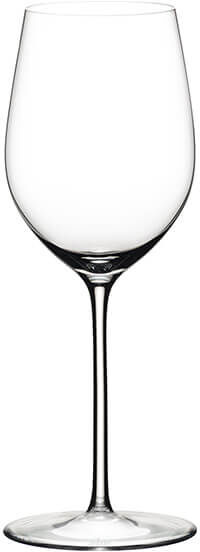
Riedel Sommeliers Mature Bordeaux Chablis Wine GlassThe Riedel Sommeliers Mature Bordeaux/Chablis/Chardonnay glass is expertly shaped to reveal the subtle nuances and refined structure of mature reds and expressive white wines. Designed in 1973, this versatile bowl allows white wines—such as Chablis and unoaked or delicately oaked Chardonnay—to express their freshness, spiciness, and mineral character, while bringing forward a supple, velvety texture and a long, harmonious finish. During specialist workshops, Riedel also confirmed that this shape is the ideal companion for mature Bordeaux, allowing softened tannins and evolved aromatics to bloom with elegance. Handmade by master glassmakers, every piece in the pioneering Sommeliers collection carries unique artisanal character, reflecting Riedel’s early revolution in varietal‑specific, function‑driven design. Thin‑blown, unadorned, and crafted from premium crystal glass, the glass adheres to Claus J. Riedel’s Bauhaus‑inspired belief that form must follow function—proving that the right shape enhances depth, balance, and aromatic precision. Fully dishwasher‑safe, this stemware highlights a wide range of refined white grapes—Sauvignon Blanc (oaked), Viognier, Friulano, Albariño, Chardonnay, and more—while also performing beautifully with softened Bordeaux blends. With a capacity of 350ml and a height of 21.6cm, it offers an ideal proportion for wines that shine through texture, minerality, and layered aromatics.88,00 £*Shipping: 0,00 £Secure redirect to the provider
-
Uplift Essentials Elegant Floral Engraved Bracelet Watch Luxury Fashion Dress Wristwatch For Sophisticated Women gold"Embrace a touch of botanical beauty and highfashion luxury with a timepiece that celebrates feminine detail. This premium luxury bracelet watch is a masterclass in ""Romantic Minimalism,"" featuring an exquisitely engraved band that turns a..."68,97 $*Shipping: 0,00 $Secure redirect to the provider
-
Regency International "Potted Triple Mature Fiddle Leaf Plant 32""""This 32"" potted triple Fiddle leaf plant will add a bright spot to any room. The color will never fade, it's clean, easy to maintain and will last forever. It will change the color and feel of a room and make a beautiful and lasting gift."139,99 $*Shipping: 0,00 $Secure redirect to the provider
-
Attractive Office Desk,Computer Desk,Spacious Executive DeskSturdy Construction - Masterfully designed with solid wood, this desk features robust legs for stability on any surface, ensuring an ideal blend of design and durability for daily tasks.567,49 $*Shipping: 0,00 $Secure redirect to the provider
-
How is the partitive formed?
The partitive is formed in French by using the preposition "de" followed by the definite article "le," "la," or "les." This combination contracts to form "du," "de la," or "des" before a singular or plural noun, respectively. For example, "some bread" is "du pain" and "some apples" is "des pommes." The partitive is used to indicate an unspecified quantity or portion of a mass noun. **
-
What is the French partitive article?
The French partitive article is used to indicate an unspecified quantity of a noun that cannot be counted. It is formed by combining the preposition "de" with the definite article corresponding to the noun's gender and number. For example, "du" is used with masculine singular nouns, "de la" with feminine singular nouns, and "des" with plural nouns. The partitive article is used in French to express concepts like some, any, or a part of something. **
-
What are partitive articles in the French language?
Partitive articles in French are used to indicate an unspecified quantity of a noun. They are used when referring to a portion or some of a mass noun, such as food or liquid. The partitive articles in French are "du" (for masculine nouns), "de la" (for feminine nouns), and "de l'" (for nouns starting with a vowel or silent "h"). These articles are essential for expressing the concept of some or any in French. **
-
What is the rule for the partitive article?
The rule for the partitive article in French is to use "de" followed by the definite article (le, la, les) to indicate an unspecified quantity or some of a mass noun. For example, "du" is used for masculine singular nouns, "de la" for feminine singular nouns, and "des" for plural nouns. The partitive article is used when referring to an unknown or unspecified quantity of something. **
Similar search terms for Partitive
-
Counterart Absorbent Stone Coasters - Mature & Fabulous - Set of 4 - 4x4x1.094Absorbent stone coaster with decorative print. Durable stoneware construction allows for continuous absorption of condensation. Made in the USA. Cork backing protects tabletops. Set of 4.22,69 $*Shipping: 0,00 $Secure redirect to the provider
-
Saro Lifestyle Sophisticated Jacquard Flower TableclothBring a touch of elegance to your dining room with this Jacquard Floral Tablecloth! Featuring a beautiful floral pattern woven into high-quality fabric, this luxurious tablecloth is perfect for special occasions or everyday use.37,99 $*Shipping: 0,00 $Secure redirect to the provider
-
Uplift Essentials Elegant Floral Engraved Bracelet Watch Luxury Fashion Dress Wristwatch For Sophisticated Women silver Black"Embrace a touch of botanical beauty and highfashion luxury with a timepiece that celebrates feminine detail. This premium luxury bracelet watch is a masterclass in ""Romantic Minimalism,"" featuring an exquisitely engraved band that turns a..."68,97 $*Shipping: 0,00 $Secure redirect to the provider
-
How do you form the genitive partitive in Latin?
In Latin, the genitive partitive is formed by using the genitive case of the noun followed by the word "partis" or "partis" (depending on the gender of the noun) to indicate a part of the whole. For example, if the noun is "puella" (girl), the genitive partitive would be "puellae partis" to indicate "part of the girl." This construction is used to express the idea of "some of" or "a part of" something. **
-
What are partitive articles and quantity increases in French?
Partitive articles in French are used to indicate an unspecified quantity of a noun. They are used with uncountable nouns or when referring to a portion of something. Quantity increases in French involve using words like "plus de" (more), "beaucoup de" (a lot of), or "trop de" (too much) to indicate an increase in the quantity of something. These expressions are used to specify a larger amount of a noun compared to using just the partitive article. **
-
When do you use the partitive article in French?
The partitive article in French is used to indicate an unspecified quantity of a mass noun. It is used when referring to a part of a whole, or an unspecified amount of something. For example, "du" is used for masculine nouns, "de la" for feminine nouns, and "de l'" for nouns starting with a vowel or silent "h". It is important to use the partitive article when talking about food, drinks, or other uncountable nouns in French. **
-
Can you please help me with the partitive article?
The partitive article is used in French to indicate an unspecified quantity of something. It is often used with uncountable nouns to express "some" or "any" in English. The partitive article changes depending on the gender and number of the noun it precedes. For example, "du" is used before masculine singular nouns, "de la" before feminine singular nouns, and "des" before plural nouns. It is important to use the correct partitive article to indicate the appropriate quantity in French. **
* All prices are inclusive of VAT and, if applicable, plus shipping costs. The offer information is based on the details provided by the respective shop and is updated through automated processes. Real-time updates do not occur, so deviations can occur in individual cases. ** Note: Parts of this content were created by AI.