Buy sexyelders.eu ?
We are moving the project
sexyelders.eu .
Are you interested in purchasing the domain
sexyelders.eu ?
domain@kv-gmbh.de · 0541-91531010
Buy sexyelders.eu ?
What are abiotic factors in ecology?
Abiotic factors in ecology are non-living components of an ecosystem that can influence the living organisms within it. These factors include physical and chemical elements such as temperature, sunlight, water, soil, air, and nutrients. Abiotic factors play a crucial role in shaping the environment and determining the types of organisms that can survive in a particular ecosystem. They can also affect the distribution, behavior, and abundance of species within an ecosystem. **
What are abiotic factors in the Antarctic?
Abiotic factors in the Antarctic include extreme cold temperatures, strong winds, low precipitation, and high levels of ultraviolet radiation due to the hole in the ozone layer. The frozen landscape is also a significant abiotic factor, as the ice and snow cover much of the continent. These abiotic factors create a harsh environment that shapes the unique ecosystems and limits the types of organisms that can survive in the Antarctic. **


Similar search terms for Abiotic
Top-Angebote
Products related to Abiotic:
-
Saro Lifestyle Sophisticated Jacquard Flower TableclothBring a touch of elegance to your dining room with this Jacquard Floral Tablecloth! Featuring a beautiful floral pattern woven into high-quality fabric, this luxurious tablecloth is perfect for special occasions or everyday use.37,99 $*Shipping: 0,00 $Secure redirect to the provider
-
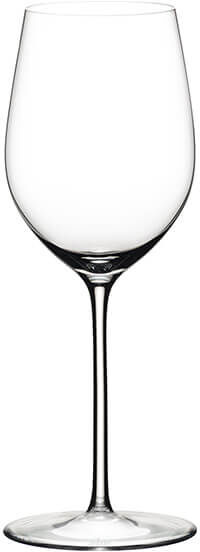
Riedel Sommeliers Mature Bordeaux Chablis Wine GlassThe Riedel Sommeliers Mature Bordeaux/Chablis/Chardonnay glass is expertly shaped to reveal the subtle nuances and refined structure of mature reds and expressive white wines. Designed in 1973, this versatile bowl allows white wines—such as Chablis and unoaked or delicately oaked Chardonnay—to express their freshness, spiciness, and mineral character, while bringing forward a supple, velvety texture and a long, harmonious finish. During specialist workshops, Riedel also confirmed that this shape is the ideal companion for mature Bordeaux, allowing softened tannins and evolved aromatics to bloom with elegance. Handmade by master glassmakers, every piece in the pioneering Sommeliers collection carries unique artisanal character, reflecting Riedel’s early revolution in varietal‑specific, function‑driven design. Thin‑blown, unadorned, and crafted from premium crystal glass, the glass adheres to Claus J. Riedel’s Bauhaus‑inspired belief that form must follow function—proving that the right shape enhances depth, balance, and aromatic precision. Fully dishwasher‑safe, this stemware highlights a wide range of refined white grapes—Sauvignon Blanc (oaked), Viognier, Friulano, Albariño, Chardonnay, and more—while also performing beautifully with softened Bordeaux blends. With a capacity of 350ml and a height of 21.6cm, it offers an ideal proportion for wines that shine through texture, minerality, and layered aromatics.88,00 £*Shipping: 0,00 £Secure redirect to the provider
-
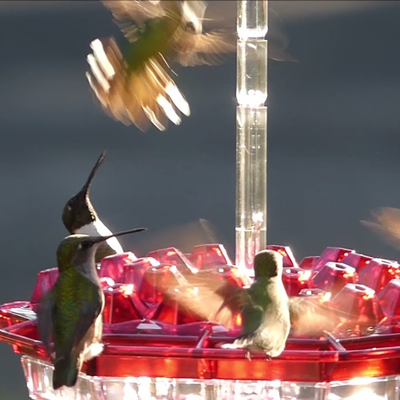
HomeDecorAndMore LLC Mary's Hummingbird Feeder: Attractive, Easy to Clean, And Decorative Garden Accessory With Large Capacity Mary's Hummingbird Feeder: Attractive, Easy to Clean, And Decorative Garden Accessory With Large CapacityAre you one of those people who are endlessly fascinated by the beauty and grace of hummingbirds Do you long to bring them into your garden, but have been unsuccessful in doing so If the answer is yes, then you'll be thrilled to discover Mary's...24,97 $*Shipping: 0,00 $Secure redirect to the provider


-
What are abiotic and biotic factors for humans?
Abiotic factors for humans include non-living elements such as air quality, temperature, and sunlight exposure. These factors can directly impact human health and well-being. Biotic factors for humans involve living organisms that interact with humans, such as pathogens, parasites, and symbiotic organisms like gut bacteria. These factors can also have significant effects on human health and disease. **
-
What are application tasks related to abiotic factors?
Application tasks related to abiotic factors involve studying the impact of non-living elements such as temperature, water availability, soil composition, and sunlight on various ecosystems. Researchers may investigate how changes in these abiotic factors affect plant growth, animal behavior, and overall ecosystem health. Understanding these relationships is crucial for predicting and managing the effects of climate change, land use changes, and other environmental disturbances on ecosystems. By studying abiotic factors, scientists can develop strategies to conserve biodiversity, restore degraded habitats, and promote sustainable resource management. **
-
What biotic and abiotic factors affect the wolf?
Biotic factors that affect the wolf include the availability of prey species such as deer, elk, and moose, as well as competition with other predators like bears and cougars. Additionally, the presence of other wolf packs can also impact their territory and hunting success. Abiotic factors that affect wolves include climate, temperature, and the availability of water sources. Harsh winters and limited access to water can impact their ability to survive and thrive in their environment. **
-
Which biotic and abiotic factors affect the wolf?
Biotic factors that affect wolves include their prey availability, competition with other predators, and interactions with other species in their ecosystem. Abiotic factors that affect wolves include temperature, precipitation, and habitat availability. These factors can impact the wolf population size, distribution, and behavior. Wolves are highly adaptable animals, but changes in these factors can have significant effects on their survival and reproductive success. **


What do abiotic and biotic environmental factors mean?
Abiotic environmental factors refer to non-living components of an ecosystem, such as temperature, sunlight, water, and soil. These factors can have a significant impact on the survival and distribution of living organisms within an ecosystem. Biotic environmental factors, on the other hand, refer to the living components of an ecosystem, including plants, animals, and microorganisms. These factors can also influence the dynamics of an ecosystem through interactions such as predation, competition, and symbiosis. Both abiotic and biotic factors play crucial roles in shaping the structure and function of ecosystems. **
Do tides belong to the abiotic environmental factors?
Yes, tides belong to the abiotic environmental factors. Abiotic factors are non-living components of an ecosystem, and tides are the result of the gravitational pull of the moon and the sun on the Earth's oceans. Tides play a significant role in shaping coastal ecosystems and influencing the distribution of marine organisms. Therefore, they are considered an important abiotic factor in marine environments. **
Top-Angebote
Products related to Abiotic:
-
Attractive Office Desk,Computer Desk,Spacious Executive DeskSturdy Construction - Masterfully designed with solid wood, this desk features robust legs for stability on any surface, ensuring an ideal blend of design and durability for daily tasks.567,49 $*Shipping: 0,00 $Secure redirect to the provider
-
Uplift Essentials Elegant Floral Engraved Bracelet Watch Luxury Fashion Dress Wristwatch For Sophisticated Women gold"Embrace a touch of botanical beauty and highfashion luxury with a timepiece that celebrates feminine detail. This premium luxury bracelet watch is a masterclass in ""Romantic Minimalism,"" featuring an exquisitely engraved band that turns a..."68,97 $*Shipping: 0,00 $Secure redirect to the provider
-
Saro Lifestyle Sophisticated Jacquard Flower TableclothBring a touch of elegance to your dining room with this Jacquard Floral Tablecloth! Featuring a beautiful floral pattern woven into high-quality fabric, this luxurious tablecloth is perfect for special occasions or everyday use.37,99 $*Shipping: 0,00 $Secure redirect to the provider
-
What are abiotic factors in ecology?
Abiotic factors in ecology are non-living components of an ecosystem that can influence the living organisms within it. These factors include physical and chemical elements such as temperature, sunlight, water, soil, air, and nutrients. Abiotic factors play a crucial role in shaping the environment and determining the types of organisms that can survive in a particular ecosystem. They can also affect the distribution, behavior, and abundance of species within an ecosystem. **
-
What are abiotic factors in the Antarctic?
Abiotic factors in the Antarctic include extreme cold temperatures, strong winds, low precipitation, and high levels of ultraviolet radiation due to the hole in the ozone layer. The frozen landscape is also a significant abiotic factor, as the ice and snow cover much of the continent. These abiotic factors create a harsh environment that shapes the unique ecosystems and limits the types of organisms that can survive in the Antarctic. **
-
What are abiotic and biotic factors for humans?
Abiotic factors for humans include non-living elements such as air quality, temperature, and sunlight exposure. These factors can directly impact human health and well-being. Biotic factors for humans involve living organisms that interact with humans, such as pathogens, parasites, and symbiotic organisms like gut bacteria. These factors can also have significant effects on human health and disease. **
-
What are application tasks related to abiotic factors?
Application tasks related to abiotic factors involve studying the impact of non-living elements such as temperature, water availability, soil composition, and sunlight on various ecosystems. Researchers may investigate how changes in these abiotic factors affect plant growth, animal behavior, and overall ecosystem health. Understanding these relationships is crucial for predicting and managing the effects of climate change, land use changes, and other environmental disturbances on ecosystems. By studying abiotic factors, scientists can develop strategies to conserve biodiversity, restore degraded habitats, and promote sustainable resource management. **
Similar search terms for Abiotic
-
Riedel Sommeliers Mature Bordeaux Chablis Wine GlassThe Riedel Sommeliers Mature Bordeaux/Chablis/Chardonnay glass is expertly shaped to reveal the subtle nuances and refined structure of mature reds and expressive white wines. Designed in 1973, this versatile bowl allows white wines—such as Chablis and unoaked or delicately oaked Chardonnay—to express their freshness, spiciness, and mineral character, while bringing forward a supple, velvety texture and a long, harmonious finish. During specialist workshops, Riedel also confirmed that this shape is the ideal companion for mature Bordeaux, allowing softened tannins and evolved aromatics to bloom with elegance. Handmade by master glassmakers, every piece in the pioneering Sommeliers collection carries unique artisanal character, reflecting Riedel’s early revolution in varietal‑specific, function‑driven design. Thin‑blown, unadorned, and crafted from premium crystal glass, the glass adheres to Claus J. Riedel’s Bauhaus‑inspired belief that form must follow function—proving that the right shape enhances depth, balance, and aromatic precision. Fully dishwasher‑safe, this stemware highlights a wide range of refined white grapes—Sauvignon Blanc (oaked), Viognier, Friulano, Albariño, Chardonnay, and more—while also performing beautifully with softened Bordeaux blends. With a capacity of 350ml and a height of 21.6cm, it offers an ideal proportion for wines that shine through texture, minerality, and layered aromatics.88,00 £*Shipping: 0,00 £Secure redirect to the provider
-
HomeDecorAndMore LLC Mary's Hummingbird Feeder: Attractive, Easy to Clean, And Decorative Garden Accessory With Large Capacity Mary's Hummingbird Feeder: Attractive, Easy to Clean, And Decorative Garden Accessory With Large CapacityAre you one of those people who are endlessly fascinated by the beauty and grace of hummingbirds Do you long to bring them into your garden, but have been unsuccessful in doing so If the answer is yes, then you'll be thrilled to discover Mary's...24,97 $*Shipping: 0,00 $Secure redirect to the provider
-
Uplift Essentials Elegant Floral Engraved Bracelet Watch Luxury Fashion Dress Wristwatch For Sophisticated Women gold Black"Embrace a touch of botanical beauty and highfashion luxury with a timepiece that celebrates feminine detail. This premium luxury bracelet watch is a masterclass in ""Romantic Minimalism,"" featuring an exquisitely engraved band that turns a..."68,97 $*Shipping: 0,00 $Secure redirect to the provider
-
Uplift Essentials Elegant Floral Engraved Bracelet Watch Luxury Fashion Dress Wristwatch For Sophisticated Women silver Black"Embrace a touch of botanical beauty and highfashion luxury with a timepiece that celebrates feminine detail. This premium luxury bracelet watch is a masterclass in ""Romantic Minimalism,"" featuring an exquisitely engraved band that turns a..."68,97 $*Shipping: 0,00 $Secure redirect to the provider
-
What biotic and abiotic factors affect the wolf?
Biotic factors that affect the wolf include the availability of prey species such as deer, elk, and moose, as well as competition with other predators like bears and cougars. Additionally, the presence of other wolf packs can also impact their territory and hunting success. Abiotic factors that affect wolves include climate, temperature, and the availability of water sources. Harsh winters and limited access to water can impact their ability to survive and thrive in their environment. **
-
Which biotic and abiotic factors affect the wolf?
Biotic factors that affect wolves include their prey availability, competition with other predators, and interactions with other species in their ecosystem. Abiotic factors that affect wolves include temperature, precipitation, and habitat availability. These factors can impact the wolf population size, distribution, and behavior. Wolves are highly adaptable animals, but changes in these factors can have significant effects on their survival and reproductive success. **
-
What do abiotic and biotic environmental factors mean?
Abiotic environmental factors refer to non-living components of an ecosystem, such as temperature, sunlight, water, and soil. These factors can have a significant impact on the survival and distribution of living organisms within an ecosystem. Biotic environmental factors, on the other hand, refer to the living components of an ecosystem, including plants, animals, and microorganisms. These factors can also influence the dynamics of an ecosystem through interactions such as predation, competition, and symbiosis. Both abiotic and biotic factors play crucial roles in shaping the structure and function of ecosystems. **
-
Do tides belong to the abiotic environmental factors?
Yes, tides belong to the abiotic environmental factors. Abiotic factors are non-living components of an ecosystem, and tides are the result of the gravitational pull of the moon and the sun on the Earth's oceans. Tides play a significant role in shaping coastal ecosystems and influencing the distribution of marine organisms. Therefore, they are considered an important abiotic factor in marine environments. **
* All prices are inclusive of VAT and, if applicable, plus shipping costs. The offer information is based on the details provided by the respective shop and is updated through automated processes. Real-time updates do not occur, so deviations can occur in individual cases. ** Note: Parts of this content were created by AI.