Buy sexyelders.eu ?
We are moving the project
sexyelders.eu .
Are you interested in purchasing the domain
sexyelders.eu ?
domain@kv-gmbh.de · 0541-91531010
Buy sexyelders.eu ?
'Unicellular species'
Unicellular species are organisms that consist of only a single cell. These organisms carry out all of the necessary functions for life within this single cell, including obtaining nutrients, reproducing, and responding to their environment. Examples of unicellular species include bacteria, archaea, and protists. Despite being simple in structure, unicellular species can be highly diverse and have adapted to thrive in a wide range of environments. **
Unicellular species
Unicellular species are organisms that consist of a single cell, as opposed to multicellular organisms that are made up of multiple cells. These single-celled organisms can carry out all the necessary functions for life within that one cell, including obtaining nutrients, reproducing, and responding to their environment. Examples of unicellular species include bacteria, archaea, protists, and some types of algae. Despite their simple structure, unicellular species play important roles in various ecosystems and can have significant impacts on the environment. **


Similar search terms for Unicellular
Top-Angebote
Products related to Unicellular:
-
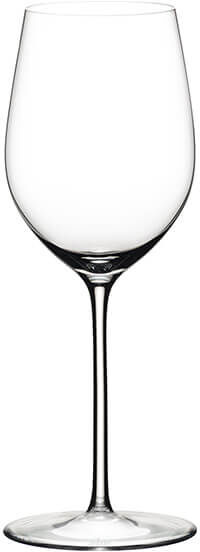
Riedel Sommeliers Mature Bordeaux Chablis Wine GlassThe Riedel Sommeliers Mature Bordeaux/Chablis/Chardonnay glass is expertly shaped to reveal the subtle nuances and refined structure of mature reds and expressive white wines. Designed in 1973, this versatile bowl allows white wines—such as Chablis and unoaked or delicately oaked Chardonnay—to express their freshness, spiciness, and mineral character, while bringing forward a supple, velvety texture and a long, harmonious finish. During specialist workshops, Riedel also confirmed that this shape is the ideal companion for mature Bordeaux, allowing softened tannins and evolved aromatics to bloom with elegance. Handmade by master glassmakers, every piece in the pioneering Sommeliers collection carries unique artisanal character, reflecting Riedel’s early revolution in varietal‑specific, function‑driven design. Thin‑blown, unadorned, and crafted from premium crystal glass, the glass adheres to Claus J. Riedel’s Bauhaus‑inspired belief that form must follow function—proving that the right shape enhances depth, balance, and aromatic precision. Fully dishwasher‑safe, this stemware highlights a wide range of refined white grapes—Sauvignon Blanc (oaked), Viognier, Friulano, Albariño, Chardonnay, and more—while also performing beautifully with softened Bordeaux blends. With a capacity of 350ml and a height of 21.6cm, it offers an ideal proportion for wines that shine through texture, minerality, and layered aromatics.88,00 £*Shipping: 0,00 £Secure redirect to the provider
-
Saro Lifestyle Sophisticated Jacquard Flower TableclothBring a touch of elegance to your dining room with this Jacquard Floral Tablecloth! Featuring a beautiful floral pattern woven into high-quality fabric, this luxurious tablecloth is perfect for special occasions or everyday use.37,99 $*Shipping: 0,00 $Secure redirect to the provider
-
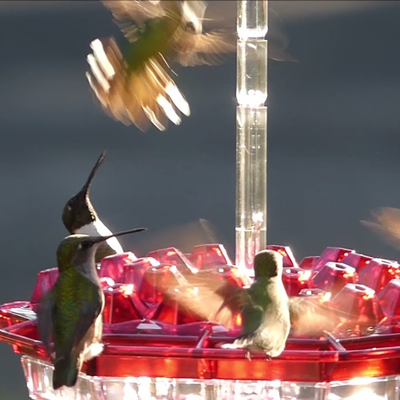
HomeDecorAndMore LLC Mary's Hummingbird Feeder: Attractive, Easy to Clean, And Decorative Garden Accessory With Large Capacity Mary's Hummingbird Feeder: Attractive, Easy to Clean, And Decorative Garden Accessory With Large CapacityAre you one of those people who are endlessly fascinated by the beauty and grace of hummingbirds Do you long to bring them into your garden, but have been unsuccessful in doing so If the answer is yes, then you'll be thrilled to discover Mary's...24,97 $*Shipping: 0,00 $Secure redirect to the provider


-
What are eukaryotic unicellular organisms?
Eukaryotic unicellular organisms are single-celled organisms that have a true nucleus enclosed within a membrane. They belong to the domain Eukarya and can be found in various environments such as water, soil, and even inside other organisms. Examples of eukaryotic unicellular organisms include protists like amoebas, paramecia, and algae. These organisms can carry out all the necessary functions for life within a single cell. **
-
Are plants unicellular or multicellular?
Plants are multicellular organisms. **
-
What are unicellular and multicellular organisms?
Unicellular organisms are living things that are made up of only one cell. This means that all of their life processes, such as obtaining nutrients, reproducing, and responding to their environment, occur within a single cell. Examples of unicellular organisms include bacteria, protozoa, and some types of algae. On the other hand, multicellular organisms are made up of more than one cell. These cells are specialized to perform different functions within the organism, such as muscle cells for movement, nerve cells for communication, and skin cells for protection. Multicellular organisms include plants, animals, and fungi. The cells in multicellular organisms work together to support the overall function and survival of the organism. **
-
What were the non-organic first living organisms - unicellular organisms, if we consider paramecia and amoebas as the first unicellular organisms?
The non-organic first living organisms were likely simple organic molecules that formed through chemical reactions in the early Earth's environment. These molecules eventually combined to form the first unicellular organisms, such as paramecia and amoebas. These unicellular organisms were likely the result of a gradual process of chemical evolution, where simple organic molecules organized themselves into more complex structures capable of exhibiting life-like properties. This process eventually led to the emergence of the first living organisms on Earth. **


What are the differences between unicellular and multicellular organisms?
Unicellular organisms are made up of a single cell, while multicellular organisms are made up of multiple cells. Unicellular organisms carry out all life processes within a single cell, while multicellular organisms have specialized cells that perform specific functions. Multicellular organisms have a higher level of organization and complexity compared to unicellular organisms. Additionally, multicellular organisms have a division of labor among cells, allowing for more efficient functioning and larger size. **
How did the unicellular organism evolve into a multicellular organism?
The evolution of unicellular organisms into multicellular organisms is believed to have occurred through a process called coloniality. Initially, unicellular organisms formed colonies where individual cells worked together for survival. Over time, some cells within these colonies specialized in specific functions, leading to the development of multicellular organisms with different cell types. This specialization allowed for more complex structures and functions, ultimately leading to the evolution of multicellular organisms. **
Top-Angebote
Products related to Unicellular:
-
Attractive Office Desk,Computer Desk,Spacious Executive DeskSturdy Construction - Masterfully designed with solid wood, this desk features robust legs for stability on any surface, ensuring an ideal blend of design and durability for daily tasks.567,49 $*Shipping: 0,00 $Secure redirect to the provider
-
Uplift Essentials Elegant Floral Engraved Bracelet Watch Luxury Fashion Dress Wristwatch For Sophisticated Women gold"Embrace a touch of botanical beauty and highfashion luxury with a timepiece that celebrates feminine detail. This premium luxury bracelet watch is a masterclass in ""Romantic Minimalism,"" featuring an exquisitely engraved band that turns a..."68,97 $*Shipping: 0,00 $Secure redirect to the provider
-
Riedel Sommeliers Mature Bordeaux Chablis Wine GlassThe Riedel Sommeliers Mature Bordeaux/Chablis/Chardonnay glass is expertly shaped to reveal the subtle nuances and refined structure of mature reds and expressive white wines. Designed in 1973, this versatile bowl allows white wines—such as Chablis and unoaked or delicately oaked Chardonnay—to express their freshness, spiciness, and mineral character, while bringing forward a supple, velvety texture and a long, harmonious finish. During specialist workshops, Riedel also confirmed that this shape is the ideal companion for mature Bordeaux, allowing softened tannins and evolved aromatics to bloom with elegance. Handmade by master glassmakers, every piece in the pioneering Sommeliers collection carries unique artisanal character, reflecting Riedel’s early revolution in varietal‑specific, function‑driven design. Thin‑blown, unadorned, and crafted from premium crystal glass, the glass adheres to Claus J. Riedel’s Bauhaus‑inspired belief that form must follow function—proving that the right shape enhances depth, balance, and aromatic precision. Fully dishwasher‑safe, this stemware highlights a wide range of refined white grapes—Sauvignon Blanc (oaked), Viognier, Friulano, Albariño, Chardonnay, and more—while also performing beautifully with softened Bordeaux blends. With a capacity of 350ml and a height of 21.6cm, it offers an ideal proportion for wines that shine through texture, minerality, and layered aromatics.88,00 £*Shipping: 0,00 £Secure redirect to the provider
-
'Unicellular species'
Unicellular species are organisms that consist of only a single cell. These organisms carry out all of the necessary functions for life within this single cell, including obtaining nutrients, reproducing, and responding to their environment. Examples of unicellular species include bacteria, archaea, and protists. Despite being simple in structure, unicellular species can be highly diverse and have adapted to thrive in a wide range of environments. **
-
Unicellular species
Unicellular species are organisms that consist of a single cell, as opposed to multicellular organisms that are made up of multiple cells. These single-celled organisms can carry out all the necessary functions for life within that one cell, including obtaining nutrients, reproducing, and responding to their environment. Examples of unicellular species include bacteria, archaea, protists, and some types of algae. Despite their simple structure, unicellular species play important roles in various ecosystems and can have significant impacts on the environment. **
-
What are eukaryotic unicellular organisms?
Eukaryotic unicellular organisms are single-celled organisms that have a true nucleus enclosed within a membrane. They belong to the domain Eukarya and can be found in various environments such as water, soil, and even inside other organisms. Examples of eukaryotic unicellular organisms include protists like amoebas, paramecia, and algae. These organisms can carry out all the necessary functions for life within a single cell. **
-
Are plants unicellular or multicellular?
Plants are multicellular organisms. **
Similar search terms for Unicellular
-
Saro Lifestyle Sophisticated Jacquard Flower TableclothBring a touch of elegance to your dining room with this Jacquard Floral Tablecloth! Featuring a beautiful floral pattern woven into high-quality fabric, this luxurious tablecloth is perfect for special occasions or everyday use.37,99 $*Shipping: 0,00 $Secure redirect to the provider
-
HomeDecorAndMore LLC Mary's Hummingbird Feeder: Attractive, Easy to Clean, And Decorative Garden Accessory With Large Capacity Mary's Hummingbird Feeder: Attractive, Easy to Clean, And Decorative Garden Accessory With Large CapacityAre you one of those people who are endlessly fascinated by the beauty and grace of hummingbirds Do you long to bring them into your garden, but have been unsuccessful in doing so If the answer is yes, then you'll be thrilled to discover Mary's...24,97 $*Shipping: 0,00 $Secure redirect to the provider
-
Uplift Essentials Elegant Floral Engraved Bracelet Watch Luxury Fashion Dress Wristwatch For Sophisticated Women gold Black"Embrace a touch of botanical beauty and highfashion luxury with a timepiece that celebrates feminine detail. This premium luxury bracelet watch is a masterclass in ""Romantic Minimalism,"" featuring an exquisitely engraved band that turns a..."68,97 $*Shipping: 0,00 $Secure redirect to the provider
-
Uplift Essentials Elegant Floral Engraved Bracelet Watch Luxury Fashion Dress Wristwatch For Sophisticated Women silver Black"Embrace a touch of botanical beauty and highfashion luxury with a timepiece that celebrates feminine detail. This premium luxury bracelet watch is a masterclass in ""Romantic Minimalism,"" featuring an exquisitely engraved band that turns a..."68,97 $*Shipping: 0,00 $Secure redirect to the provider
-
What are unicellular and multicellular organisms?
Unicellular organisms are living things that are made up of only one cell. This means that all of their life processes, such as obtaining nutrients, reproducing, and responding to their environment, occur within a single cell. Examples of unicellular organisms include bacteria, protozoa, and some types of algae. On the other hand, multicellular organisms are made up of more than one cell. These cells are specialized to perform different functions within the organism, such as muscle cells for movement, nerve cells for communication, and skin cells for protection. Multicellular organisms include plants, animals, and fungi. The cells in multicellular organisms work together to support the overall function and survival of the organism. **
-
What were the non-organic first living organisms - unicellular organisms, if we consider paramecia and amoebas as the first unicellular organisms?
The non-organic first living organisms were likely simple organic molecules that formed through chemical reactions in the early Earth's environment. These molecules eventually combined to form the first unicellular organisms, such as paramecia and amoebas. These unicellular organisms were likely the result of a gradual process of chemical evolution, where simple organic molecules organized themselves into more complex structures capable of exhibiting life-like properties. This process eventually led to the emergence of the first living organisms on Earth. **
-
What are the differences between unicellular and multicellular organisms?
Unicellular organisms are made up of a single cell, while multicellular organisms are made up of multiple cells. Unicellular organisms carry out all life processes within a single cell, while multicellular organisms have specialized cells that perform specific functions. Multicellular organisms have a higher level of organization and complexity compared to unicellular organisms. Additionally, multicellular organisms have a division of labor among cells, allowing for more efficient functioning and larger size. **
-
How did the unicellular organism evolve into a multicellular organism?
The evolution of unicellular organisms into multicellular organisms is believed to have occurred through a process called coloniality. Initially, unicellular organisms formed colonies where individual cells worked together for survival. Over time, some cells within these colonies specialized in specific functions, leading to the development of multicellular organisms with different cell types. This specialization allowed for more complex structures and functions, ultimately leading to the evolution of multicellular organisms. **
* All prices are inclusive of VAT and, if applicable, plus shipping costs. The offer information is based on the details provided by the respective shop and is updated through automated processes. Real-time updates do not occur, so deviations can occur in individual cases. ** Note: Parts of this content were created by AI.